
Leading Foundation Repair Equipment For Effective Home Stabilization
Select from top-performing tools and materials that help you achieve solid, lasting foundation repairs.
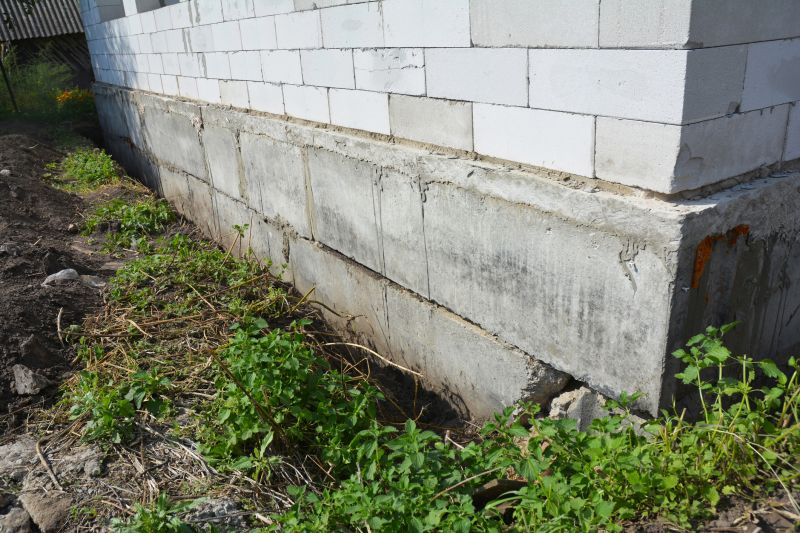 Foundation repairs are a critical aspect of maintaining the structural integrity of a building, especially in areas like Dubuque, IA, where soil conditions and weather patterns can influence foundation stability. A variety of products are available to address different types of foundation issues, ranging from minor cracks to significant shifts. Proper assessment and selection of the right repair products can help ensure long-term stability and safety. It is important to understand the different options and their applications to choose the most suitable solutions for specific foundation concerns.
Top Overall Option
Polyurethane Foam Injection Systems
Polyurethane foam injection systems are versatile and widely used for stabilizing and lifting sunken or uneven foundations. They work by expanding beneath the foundation to fill voids and exert upward pressure, helping to realign and support the structure. These systems are appreciated for their quick application, minimal invasive process, and ability to adapt to different soil conditions. When properly installed, they can provide a durable solution for various foundation issues, making them a popular choice among professionals and DIY enthusiasts alike.
Types of Products For Foundation Repairs
Hydraulic Push Piers
Hydraulic push piers are used to lift and stabilize sinking foundations by mechanically pushing deep into the soil beneath the foundation.
Helical Piers
Helical piers are screwed into the ground to provide support for foundations that have shifted or settled unevenly.
Concrete Underpinning
Concrete underpinning involves adding concrete piers or piles beneath the existing foundation to improve stability.
Polyurethane Foam Injection
This method uses expanding foam to fill voids and lift sunken sections of the foundation.
Steel Push Piers
Steel push piers are driven into the ground to provide a solid support for lifting and stabilizing foundations.
Soil Stabilization Products
These products include chemical injections designed to improve soil cohesion and reduce settlement.
Waterproofing Membranes
Waterproof membranes help prevent water infiltration that can weaken foundation walls and cause shifting.
Crack Injection Sealants
Sealants are used to fill and seal cracks in foundation walls to prevent water intrusion and further deterioration.
Drainage Systems
Drainage solutions include French drains and sump pumps to divert water away from the foundation.
Soil Stabilizer Grouts
Grouts are injected to improve soil density and reduce settlement issues.
Carbon Fiber Reinforcements
Carbon fiber strips are applied to strengthen cracked foundation walls and prevent further movement.
Epoxy Resins
Epoxy resins are used to bond and reinforce cracked concrete sections of the foundation.
Popular Choices
Known for their adaptability and quick application, these systems are often selected for various foundation stabilization needs.
A common choice for lifting and stabilizing settled foundations, especially in uneven terrain.
Frequently used to seal cracks and prevent water intrusion, helping to preserve the integrity of foundation walls.
Popular for protecting foundations from moisture-related issues and water damage.
Chosen for their strength and capacity to support significant loads in challenging soil conditions.
Effective for redirecting water away from the foundation, reducing hydrostatic pressure.
Commonly used for repairing cracks and bonding fractured concrete sections.
Applied to improve soil cohesion and reduce future settlement risks.
Popular for reinforcing cracked basement walls and preventing further movement.
Widely installed to manage water accumulation and protect foundations from flooding.
Often selected to improve water management around the foundation area.
Used in cases of severe settlement to provide additional support.
Many foundation repair products are designed to stabilize and lift foundations, fill cracks, or reinforce weakened areas. These products are often used in conjunction with professional assessments to determine the severity of the problem and the most effective intervention. Some products are suitable for DIY repairs, while others require specialized knowledge and equipment. Regardless of the approach, selecting high-quality, reliable repair materials can contribute to a more durable and effective repair process.
In addition to structural reinforcement, certain products also help prevent future issues by improving soil stability or waterproofing the foundation. Combining these solutions with proper drainage and moisture control can further enhance the longevity of the repair. It is advisable to consult with local experts familiar with Dubuque’s soil and climate conditions to identify the most appropriate products and techniques for your specific needs.
Overall, understanding the variety of foundation repair products available and their proper applications can empower homeowners and contractors to make informed decisions. Whether dealing with minor cracks or major foundation shifts, the right products can support long-lasting repairs and peace of mind. Always seek professional guidance when necessary to ensure safety and effectiveness in foundation repair projects.
Key Buying Considerations
- Assess the severity and type of foundation issue before selecting products.
- Consult with a foundation specialist or structural engineer for professional advice.
- Consider the soil conditions and how they may affect the repair method.
- Evaluate the compatibility of repair products with your existing foundation materials.
- Determine whether a DIY approach is feasible or if professional installation is recommended.
- Check the product's durability and long-term performance guarantees.
- Review the ease of application and whether specialized tools or skills are required.
- Consider the environmental conditions, such as moisture levels and drainage around the property.
- Look for products with proven effectiveness in similar soil and climate conditions.
- Ensure the products are compliant with local building codes and standards.
- Factor in the cost of materials, labor, and potential future repairs.
- Prioritize products that allow for future adjustments or repairs if needed.
- Research customer reviews and testimonials for insights into product performance.
- Verify the availability of technical support or guidance from manufacturers.